
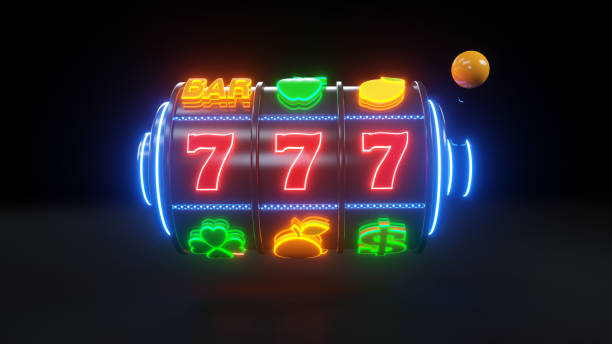
Slot entertainment used to be built around a few familiar ingredients: physical reels, flashing lights, mechanical sounds, and a lever on the side of the machine. The experience was straightforward because the technology behind it was straightforward too.
That has changed dramatically.
Modern slots now combine software engineering, animation, mathematics, sound design, mobile interfaces, and server infrastructure. The reels are still the most recognizable part of the experience, but what happens behind and around them is far more advanced than it was a generation ago.
Software Changed What a Slot Could Be
The transition from mechanical machines to digital screens opened the door to much greater creative freedom.
Traditional reels were physically limited. Developers could only fit a certain number of symbols onto each wheel, and adding new mechanics often meant changing the machine itself.
Digital slots removed many of those restrictions. Software can support different reel layouts, animated symbols, changing environments, additional features, and interactive sequences without requiring new physical hardware.
That flexibility also changed the role of designers. They are no longer simply arranging symbols on reels. They are building an entire visual and interactive experience around them.
Random Number Generators Power the Core
Behind the colorful visuals is a mathematical system.
Most digital slots use a random number generator, commonly called an RNG, to determine spin outcomes. The RNG continuously produces numerical values, and when a spin is activated, software translates one of those values into a particular result.
The animation that follows presents that result on screen.
This is an important distinction because modern graphics can make the reel movement look highly dramatic, but the underlying outcome is still handled by software and mathematics.
In regulated markets, RNG systems may also be tested against technical standards to verify that they operate according to their programmed rules.
Mobile Technology Rewrote the Interface
Smartphones have had a major influence on modern slot design.
A game that works well on a desktop monitor may feel crowded on a phone. Developers therefore have to think carefully about touchscreen controls, button placement, reel size, menus, typography, and loading speed.
Platforms such as pgwin828 exist within this wider shift toward digital gaming environments designed to operate across different devices and screen sizes.
HTML5 has helped make that transition possible. It allows many browser-based games to function across modern smartphones, tablets, laptops, and desktops without requiring separate versions for each device.
The result is a more flexible form of entertainment that can adapt to the hardware being used.
Animation Gives Reels More Personality
Digital technology has also changed how symbols behave.
In older machines, symbols simply stopped in place. Today, they can expand, transform, disappear, trigger effects, or interact with other elements on the screen.
A background may change when a feature begins. A character may react to a particular symbol. A short cinematic sequence may introduce a new stage of the game.
These details do not alter the basic idea of the reel. Instead, they add another layer of visual storytelling around it.
That is why some modern slots feel closer to casual video games than traditional machines.
Sound Is Doing More Than Making Noise
Audio has evolved alongside graphics.
Modern slots can use background music, environmental sounds, character voices, and short audio cues that respond to what happens on screen.
Sound can indicate that a feature has started, highlight an important symbol, or reinforce a visual transition.
The strongest designs coordinate audio and animation so closely that the two feel like one system. A movement on screen happens at exactly the same moment as the matching sound, making the interface feel more responsive.
Servers Keep the Experience Connected
A large part of modern slot technology is invisible.
Online games often rely on remote servers to process requests, maintain sessions, deliver content, and communicate with gaming platforms.
Cloud-based infrastructure can also help manage higher traffic levels and make updates easier to distribute.
Instead of operating as isolated machines, many modern slots now exist as pieces of a much larger connected digital ecosystem.
Where the Reel Goes Next
The next generation of slot entertainment will probably borrow even more technology from mainstream gaming and digital media.
Improved graphics, artificial intelligence tools, faster networks, cloud computing, and more responsive interfaces could give developers new ways to experiment with storytelling and interaction.
Yet the biggest design challenge may be knowing when to stop.
More animation, more sound, and more features do not automatically create a better experience. Technology works best when it makes the game easier to understand and more engaging without overwhelming the screen.
That balance is the real new reel deal: familiar spinning symbols supported by an increasingly sophisticated digital world.